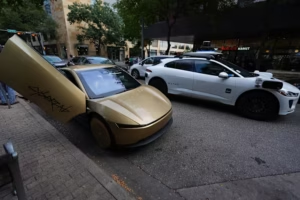
Musk launches steering-wheel-free taxi service in bet riders lose ‘no control’ fears and hop inside
AI-summarised brief · reviewed before publication
Elon Musk launched dozens of steering-wheel-free Tesla Cybercabs in Austin, Texas, marking a significant shift toward fully autonomous ride-hailing without manual controls. The gold-colored vehicles, lacking brake pedals, aim to overcome public fear of losing control during emergencies. Tesla shares rose over 5% on hopes the futuristic taxis will gain rapid adoption, addressing recent slumps in vehicle sales and profits. The company trails Waymo in deployed units and trip volume, relying solely on cameras while rivals use lidar and radar. Despite an invitation-only launch event, Musk faces the challenge of convincing skeptical Americans, with surveys showing most adults remain uncomfortable with driverless cars. This rollout expands on previous robotaxi services that included safety drivers and controls, as Tesla seeks to catch up in the competitive autonomous transportation market.
💡 Why It Matters
- · The removal of all manual controls tests whether consumer trust can be built on camera-only technology alone.
- · This aggressive move directly challenges Waymo’s safety-first approach by prioritizing rapid deployment over redundant sensor systems.