Cheaper, open and intelligent: Chinese AI models gain ground, as they make inroads in the US
AI-summarised brief · reviewed before publication
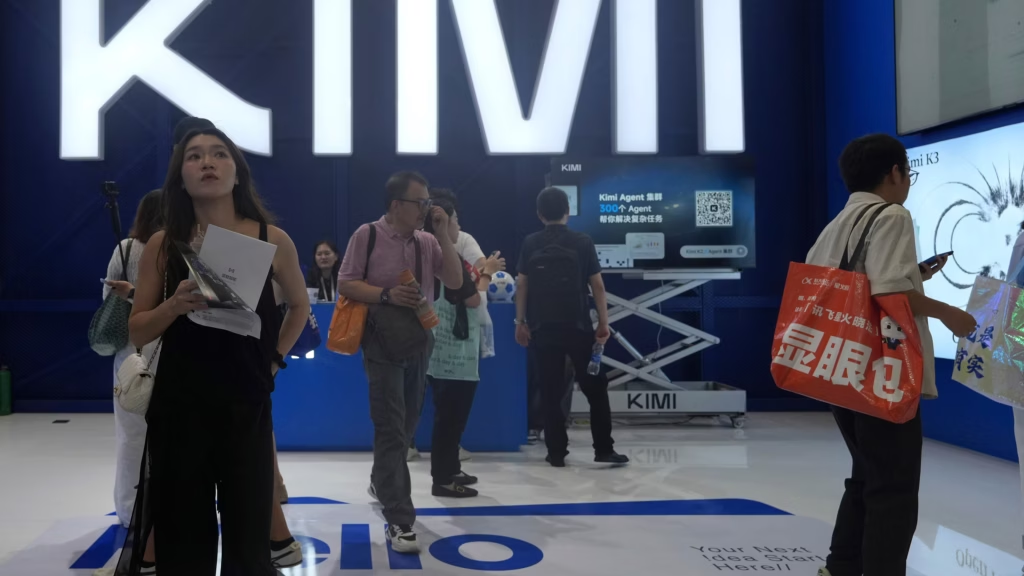
Chinese artificial intelligence models are rapidly gaining traction in the United States, driven by their affordability and efficiency. San Francisco-based technology leaders, including Mozilla’s chief technology officer Raffi Krikorian, have switched to Chinese systems like Moonshot’s Kimi K3 and Z.ai’s GLM-5.2 for daily tasks, citing superior speed compared to expensive American alternatives. Major U.S. companies, such as cryptocurrency exchange Coinbase, are also adopting these models to reduce operational costs. This shift has frustrated American tech giants and prompted political backlash. The Trump administration accused Moonshot of using covert methods to build K3 based on Anthropic’s technology. U.S. politicians and companies allege illicit “distillation” of proprietary models, claims Beijing rejects as groundless. Despite American-led restrictions on advanced AI chip exports and warnings of further sanctions from Treasury Secretary Scott Bessent, Chinese AI continues to appeal to independent developers globally. The rapid adoption underscores a shifting competitive landscape in the global AI race, moving beyond earlier disruptions caused by startups like DeepSeek.
💡 Why It Matters
- · The adoption of Chinese AI by major U.S.
- · firms demonstrates that cost efficiency is overriding geopolitical tensions and security concerns in the commercial sector.
- · This trend challenges the effectiveness of export controls by proving that accessible, high-performance alternatives can still capture significant market share despite technological restrictions.